

Batteries Bestseller
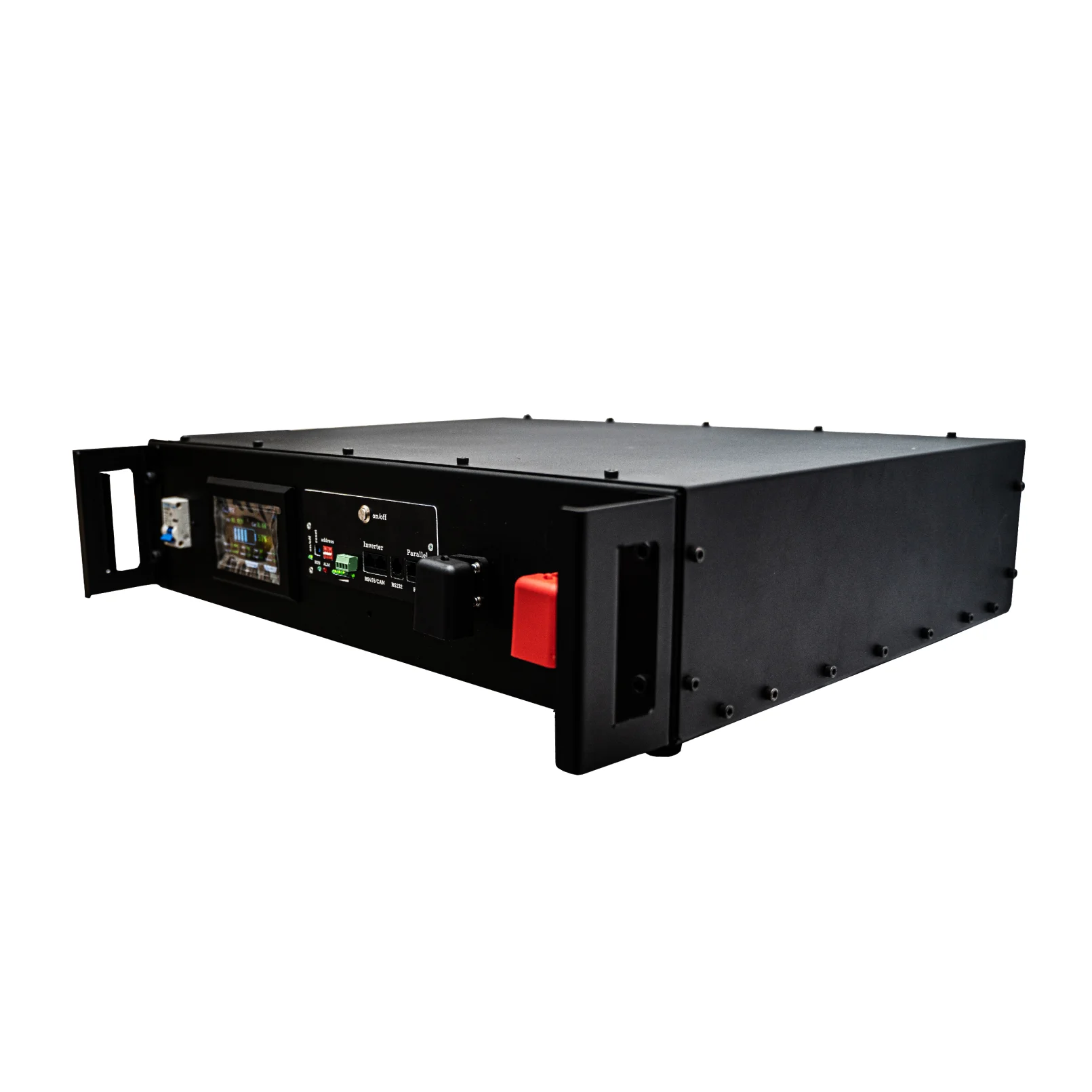
Battery Energy 12,700 Wh 48 V (13S2P)
- 12,700 Wh
- 48 V
- 117 Ah
81 000 ₴
Most popular
Most popular
Most popular
Most popular
Most popular
Most popular
Coming to the catalog
Mono 410–585 W, mounting. While items are being added, our engineer will source them to order together with your system.
Coming to the catalog
Cables, MC4, fuses. While items are being added, our engineer will source them to order together with your system.
Catalog
LiFePO4 batteries, power stations, Deye inverters and DIY parts. Nova Poshta shipping once availability is confirmed.
1 product
This section has batteries for hybrid inverters and home backup systems: Queen Energy packs at 24 V and 48 V and 51.2 V Deye LiFePO4 batteries. Buy any of them in Kyiv or order delivery by Nova Poshta.
The inverter sets the battery voltage. Most low-voltage Deye inverters run on a 48 V battery (51.2 V nominal, 16 LiFePO4 cells). 24 V suits inverters up to 3 kW in a flat. A 12 V LiFePO4 battery is right for a gas boiler, router and small inverters: there is one in our “Boiler” kit, and you can plan your own 12 V pack from 4 cells and a 4S BMS in the DIY configurator.
Capacity in Wh is your energy reserve: 5 kWh covers a house for an evening and night without heavy appliances, 10–15 kWh lasts a day with a boiler and pump. LiFePO4 lasts several thousand charge cycles, which means years of daily outages. We explain LiFePO4 vs Li-ion in this article, and the calculator shows how many hours a given battery will give you.
Not sure which inverter battery you need? Send us your inverter model and a list of appliances and we will pick a compatible battery.
A 48–51.2 V LiFePO4 battery (16 cells in series) with a BMS rated for the inverter current: at least 100 A for a 5 kW inverter. Deye batteries also talk to Deye inverters, so the inverter reads the state of charge precisely.
LiFePO4: several thousand cycles versus a few hundred for most Li-ion, a much lower risk of overheating and a flat voltage under load. Li-ion is lighter and smaller, which is why it is used in drones and e-transport.
Good LiFePO4 cells deliver 3000–6000 cycles before dropping to 80% of their original capacity. Even at one full cycle a day that is more than 8 years of service.
Yes, identical batteries are connected in parallel to add capacity. Use the same model and voltage and set the new capacity in the inverter; we can suggest the wiring for your inverter.